ADMIRE
Advanced Multidisciplinary Integrated Rehabilitation Ecosystem
We offer comprehensive Ortho-Neuro Rehabilitation with a Collaborative and Cooperative Interdisciplinary Team Approach — combining expert therapy, advanced technology, Ayurveda and personalised care to help you regain function and independence.
Advanced Multidisciplinary Integrated Rehabilitation Ecosystem
Neurorehabilitation is a specialised treatment programme designed to help people recover lost physical, cognitive, communication and functional abilities following neurological injury or disease. Although damaged nerve cells have limited ability to regenerate, the brain possesses an extraordinary capacity called neuroplasticity — its ability to reorganise itself by forming new neural connections.
Through repetitive, task-specific therapy and carefully designed rehabilitation environments, the brain learns new ways to perform lost functions. This remarkable process forms the foundation of neurological recovery. Every rehabilitation programme at Ayurgreen Hospitals is individually tailored to stimulate neuroplasticity according to each patient's condition, recovery stage and personal goals.
ADMIRE brings together Environment + Expert Therapy + Functional Training + Technology + Personalised Care — because technology alone does not create successful rehabilitation. Therapy, people, environment and personalised supervision must work together.
What Makes ADMIRE Different?
ADMIRE is not a single treatment — it is an integrated rehabilitation system where every element works together to support recovery.
Personalised Care
Every rehabilitation plan is individually tailored to each patient's condition, abilities, recovery stage and personal goals.
Interdisciplinary Team
Physicians, physiotherapists, occupational therapists, speech therapists, nurses and complementary therapists work as one coordinated team.
Advanced Technology
Robotic rehabilitation, virtual reality, functional electrical stimulation and aquatic therapy complement skilled human therapy.
Functional Training
Therapy skills are transferred into meaningful daily activities — dressing, cooking, writing, community mobility and return-to-work.
Intensive Rehabilitation
Dynamic, goal-oriented sessions adapted to each patient's tolerance and recovery stage. Intensity is always matched to the individual.
Real-Life Environment
Rehabilitation environments are designed to simulate real-life situations, encouraging confidence, independence and community reintegration.
Complementary Therapies
Ayurveda, yoga, acupuncture, reflexology and nutrition are carefully integrated alongside evidence-based rehabilitation.
Long-Term Independence
The ultimate goal is greater independence, participation in meaningful daily life and sustained quality of life.
Our Goals
Every ADMIRE programme is guided by clear, meaningful goals developed together with the patient and their family.
Optimise Physical Function
Optimise physical function and enhance the skills needed to perform daily activities with greater ease and independence.
Strength, Balance & Mobility
Maximise strength, balance and mobility to reduce fall risk, improve confidence and restore functional movement.
Communication & Swallowing
Improve speech, language and swallowing function to restore safe communication and nutrition.
Endurance
Improve endurance for sustained activity, enabling patients to participate more fully in daily and social life.
Cognitive & Behavioural Strategies
Develop new cognitive and behavioural strategies to compensate for deficits in memory, attention, planning and decision-making.
Quality of Life
Improve overall quality of life — supporting physical, emotional, social and psychological wellbeing.
One Patient. One Team. One Plan.
Successful rehabilitation requires multiple professionals working together. At Ayurgreen, every patient is supported by a dedicated interdisciplinary team that meets regularly to coordinate the plan of care, review progress and adapt treatment goals.
Personal Doctor
A physician responsible for managing the changing medical needs of the patient in close communication with neurologists, orthopaedicians and other specialists.
Rehabilitation Nurses
Compassionate, evidence-based nursing care throughout rehabilitation — medication management, pressure injury prevention, feeding care and continuous monitoring.
Personal Physiotherapist
Individualised physiotherapy: assessment, goal-setting, functional training, muscle strengthening, balance rehabilitation and progress monitoring.
Occupational Therapist
Focus on independence and meaningful daily activities — hand function, cognitive rehabilitation, ADLs, adaptive equipment and home modification.
Speech Therapist
Communication, speech, cognition and swallowing rehabilitation — aphasia, dysarthria, dysphagia and caregiver education.
Ayurveda Therapist
Integrated Ayurvedic therapy as part of the patient's personalised programme — supporting muscle relaxation, nerve nourishment and overall wellbeing.
Dietitian
Individualised nutrition planning, swallowing-friendly diets, diabetes and hypertension dietary management and nutritional counselling.
Yoga Practitioner
Movement, breathing, flexibility, relaxation and emotional wellbeing through adapted yoga and mindfulness practices.
Acupuncturist
Complementary therapy integrated where appropriate — may assist in managing pain, spasticity, numbness and muscle tightness.
Reflexologist
Complementary relaxation and wellbeing support — supporting circulation, comfort and recovery alongside the primary programme.
Senior Physiotherapist
Supervision, consultation, coordination and outcome-based rehabilitation planning — ensuring programme quality and clinical progression.
Psychologist
Support for cognitive, emotional and behavioural challenges — anxiety, depression, memory rehabilitation and family education.
The rehabilitation team meets periodically and holds clinical meetings every week to discuss the plan of care, outcome measures, prognosis, short-term goals and long-term goals.
Your Rehabilitation Journey
A structured, progressive pathway — from initial assessment through to meaningful independence and community reintegration.
Assessment
Detailed assessment to identify limitations, abilities and rehabilitation needs.
Personalised Plan
Treatment goals and outcome-based rehabilitation programme developed with the patient.
Intensive Therapy
Targeted therapy sessions conducted according to the patient's abilities and goals.
Technology Integration
Robotic rehabilitation, FES, aquatic therapy and VR may be incorporated where appropriate.
Functional Training
Skills are transferred into meaningful daily activities in real-life environments.
Progression
Treatment intensity and complexity are progressively adapted according to recovery.
Independence
The ultimate goal is greater independence, participation and quality of life.
Conditions We Support
Our multidisciplinary neurorehabilitation programme manages a wide range of neurological conditions, providing personalised, evidence-based care at every stage of recovery.
Stroke
Ischaemic and haemorrhagic stroke rehabilitation.
Learn more →Traumatic Brain Injury
Rehabilitation following head injury of any severity.
Learn more →Spinal Cord Injury
Paraplegia and quadriplegia rehabilitation.
Learn more →Parkinson's Disease
Movement, balance and gait rehabilitation.
Learn more →Multiple Sclerosis
Fatigue management, mobility and functional rehabilitation.
Peripheral Nerve Injuries
Nerve injury rehabilitation and sensory retraining.
Bell's Palsy
Facial muscle rehabilitation and nerve recovery.
Neuromuscular Disorders
Muscular dystrophy, myopathy and related conditions.
Learn more →Balance & Movement Disorders
Assessment and rehabilitation for balance impairments.
Functional Neurological Disorders
Integrated rehabilitation for functional neurological presentations.
Our Rehabilitation Disciplines
Physical, occupational and speech therapy skills are combined with neuropsychology, respiratory care and nursing — all under one coordinated multidisciplinary plan.
Physiotherapy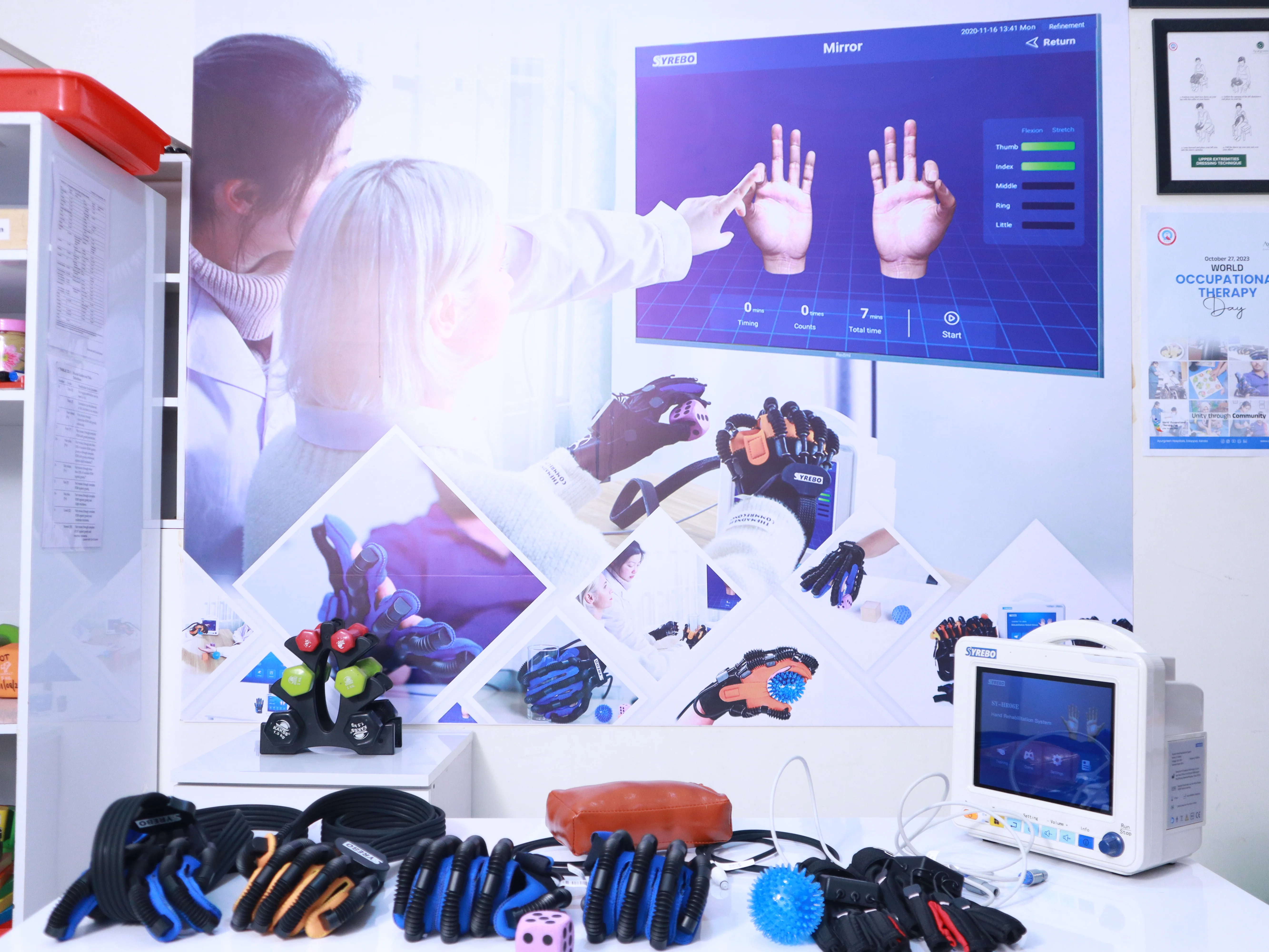 Occupational Therapy
 Speech Therapy
Our neurological physiotherapy programme focuses on restoring movement, improving mobility, reducing disability and preventing complications.
- Task-specific motor retraining
- Muscle strengthening
- Balance rehabilitation
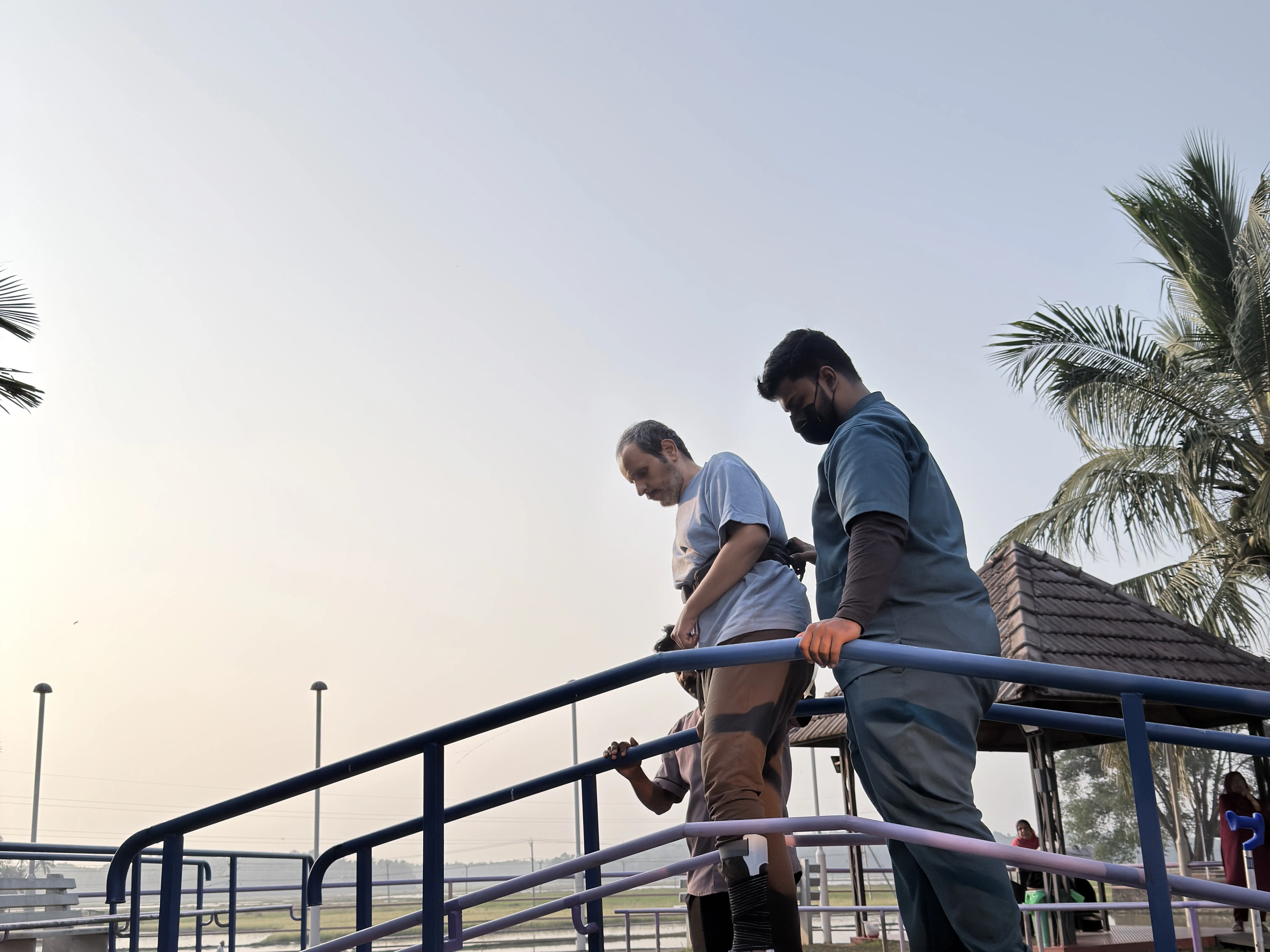
- Gait training
- Stair climbing
- Community mobility training
- Trunk stability training
- Functional movement practice
- Suspension therapy
- Manual therapy & joint mobilisation
- Stretching programmes
- Bobath therapy
- Proprioceptive Neuromuscular Facilitation (PNF)
- Motor Relearning Programme (MRP)
- Functional Electrical Stimulation (FES)
- Neuromuscular electrical stimulation
- Biofeedback training
Every exercise programme is continuously progressed according to the patient's recovery.
Occupational therapy helps patients regain independence in everyday life — from personal care to community participation.
- Hand function rehabilitation
- Fine motor training
- Upper limb rehabilitation
- Sensory re-education
- Cognitive rehabilitation
- Visual-perceptual training
- Activities of daily living (ADLs)
- Instrumental activities of daily living (IADLs)
- Household activities
- Community participation
- Splinting & assistive devices
- Home modifications
- Bathroom safety & kitchen adaptations
- Fall prevention
- Energy conservation & joint protection
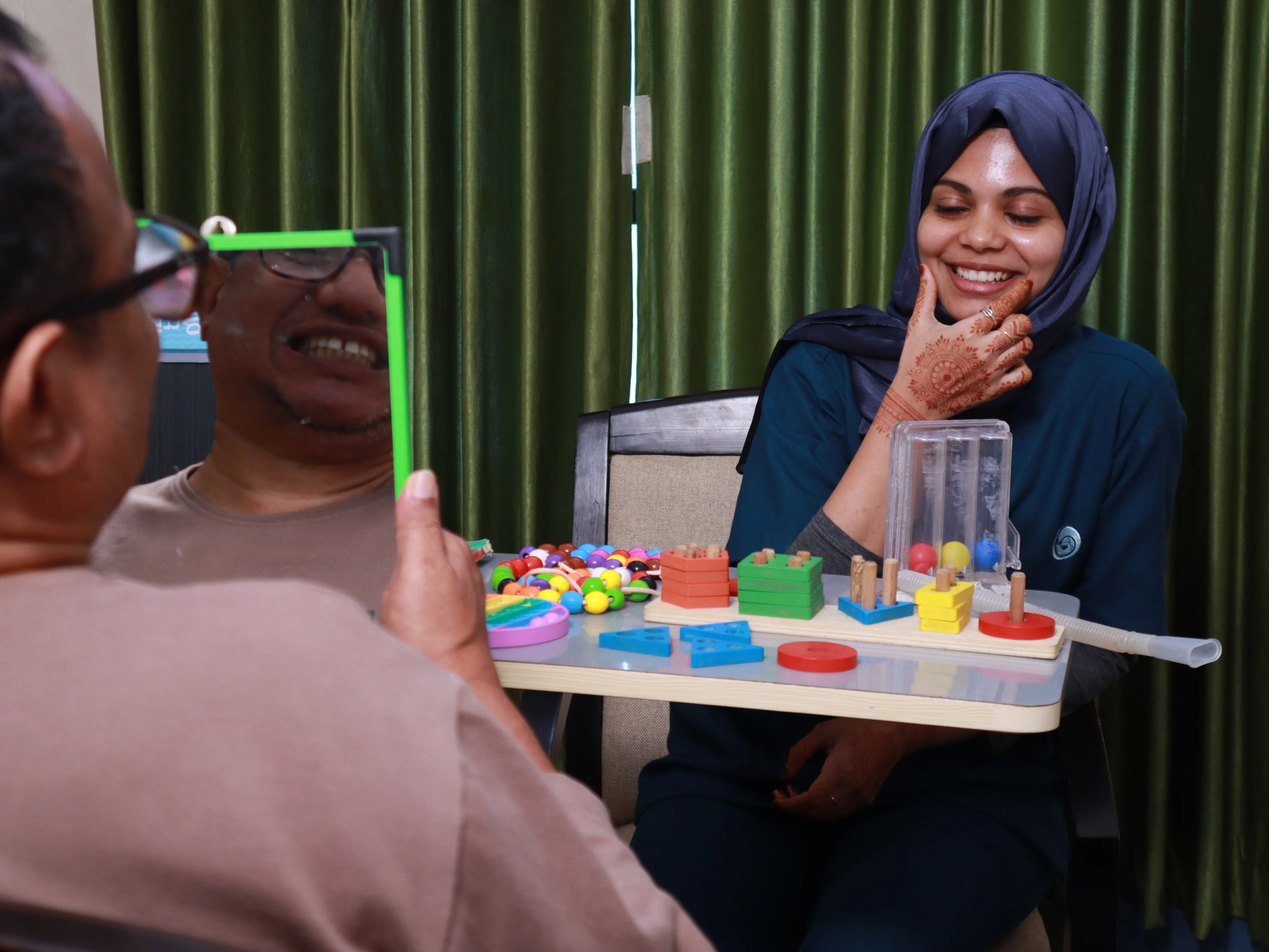
Creative and therapeutic activities — mirror therapy, drawing, painting, crafts and therapeutic gardening — promote motor recovery and emotional wellbeing.
Communication and swallowing difficulties are common following neurological disorders. Our speech and language therapists provide comprehensive assessment and treatment.
- Aphasia rehabilitation
- Dysarthria treatment
- Apraxia of speech
- Cognitive communication disorders
- Dysphagia (swallowing) management
- Speech clarity improvement
- Language comprehension
- Reading & writing
- Memory and attention training
- Executive function rehabilitation
- Social communication
- Voice quality improvement
- Oral motor exercises
- Swallowing exercises & safe feeding techniques
- Diet modification & aspiration prevention
- Tracheostomy rehabilitation
- Caregiver education
Where appropriate, advanced therapies such as neuromuscular electrical stimulation may be incorporated.
Recovery extends beyond physical rehabilitation. Our neuropsychologists provide comprehensive cognitive and emotional support.
- Cognitive assessment
- Memory rehabilitation
- Attention training
- Behavioural management
- Emotional counselling
- Anxiety and depression management
- Family education
- Cognitive retraining programmes
Neurological disorders may impair breathing and increase the risk of chest infections. Our respiratory rehabilitation is an integral part of comprehensive care.
- Breathing exercises
- Airway clearance techniques
- Chest physiotherapy
- Lung expansion exercises
- Tracheostomy care
- Prevention of respiratory complications
Our specialised rehabilitation nurses provide continuous medical support throughout recovery, working closely with the medical and therapy team.
- Medication management
- Pressure injury prevention
- Feeding tube care
- Wound care
- Tracheostomy care
- Bladder and bowel management
- Continuous monitoring
- Patient and caregiver education
Technology That Supports Recovery
Advanced technology enhances rehabilitation by providing intensive, repetitive and engaging therapy — always as a complement to skilled human care, never as a replacement for it.
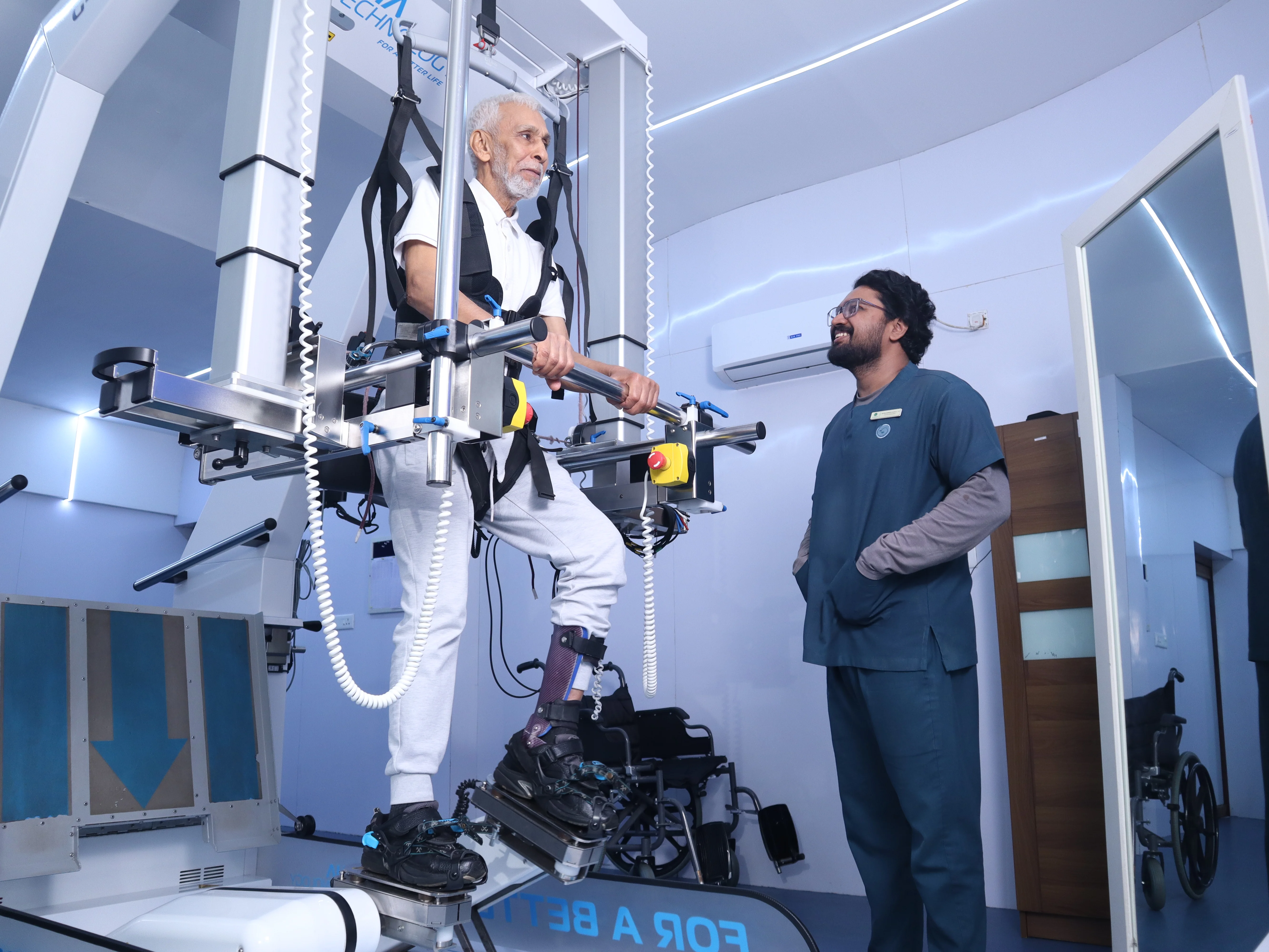
Robotic Gait Trainer
Provides repetitive, structured and task-specific gait training for appropriate patients. Modes include passive, active-assistive and active — supporting walking, partial movement and stair simulation.
Robotic Arm Trainer
Targeted training for upper limb rehabilitation — shoulder, elbow and wrist coordination. Helps rebuild fine motor skills and upper extremity function for self-care and independence.
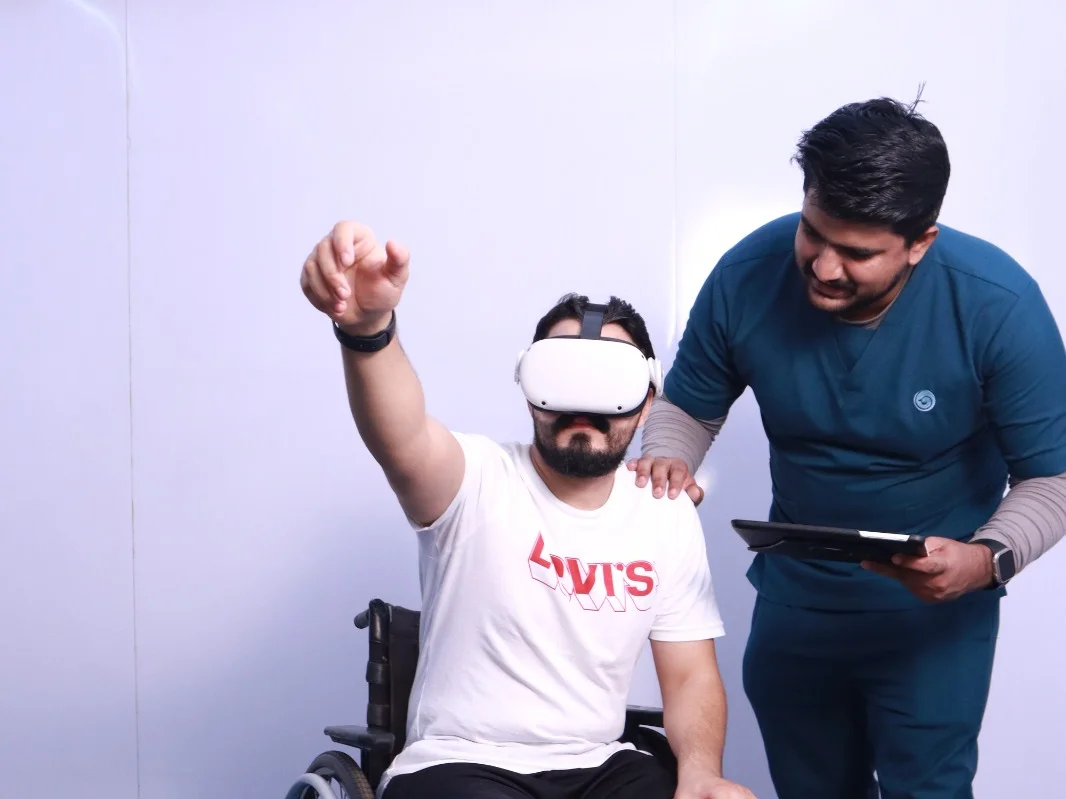
Virtual Reality Rehabilitation
Immersive, interactive environments that make therapy more engaging. Includes cognitive stimulation, motor skill development, balance training and gamified exercises — primarily used in neurological rehabilitation.
Balance Training Systems
Advanced balance assessment and training platforms used to improve postural stability, proprioception and fall prevention.
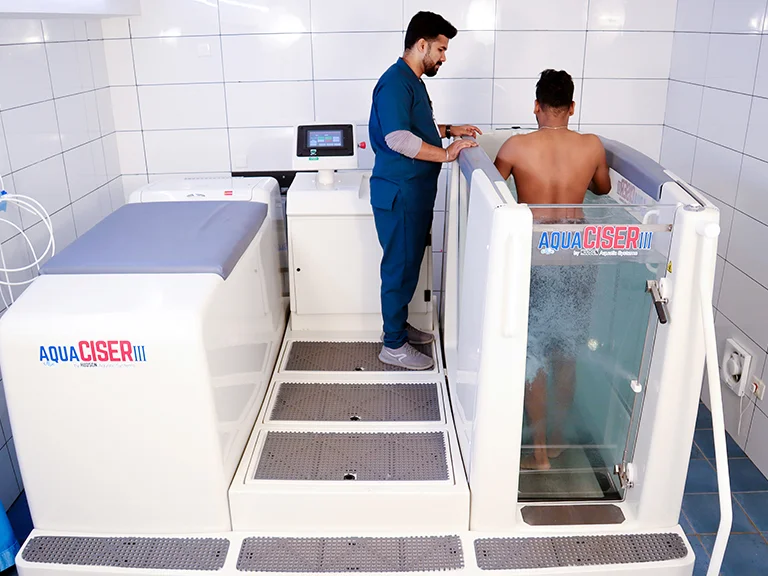
Underwater Treadmill
Aquatic therapy in a therapeutic pool environment — using water resistance and buoyancy to support gait training, muscle strengthening and movement rehabilitation.
Functional Electrical Stimulation
Neuromuscular electrical stimulation applied to assist voluntary muscle activation, reduce spasticity and support motor relearning in appropriate patients.
Body-Weight Supported Treadmill Training
Supported gait training that allows patients with limited weight-bearing ability to practise walking patterns and improve gait quality in a safe, controlled manner.
Rehabilitation Beyond the Therapy Room
The ultimate goal of rehabilitation is not simply performing an exercise correctly inside the hospital. It is to help each person participate in meaningful everyday life — at home, at work, and in their community.
Rehabilitation environments are designed to simulate real-life situations, allowing patients to safely practise meaningful daily activities. These environments improve confidence, independence and successful reintegration into family and community life.
Activities of Daily Living
Patients practise dressing, bathing, grooming, cooking and household tasks in purpose-built rehabilitation environments that simulate real home settings.
Vocational Rehabilitation
Writing, computer use, office tasks and return-to-work preparation — helping patients regain the skills needed for professional and community participation.
Community Reintegration
Community mobility training, social participation and recreational activities that restore confidence and meaningful engagement in daily life.
Creative & Therapeutic Activities
Mirror therapy, drawing, painting, crafts and therapeutic gardening promote motor recovery while improving confidence and emotional wellbeing.
Tradition Within an Integrated Rehabilitation Model
Alongside evidence-based rehabilitation, selected complementary therapies are carefully integrated under medical supervision to support recovery and overall wellbeing — not as alternatives to rehabilitation, but as complementary components of a unified programme.
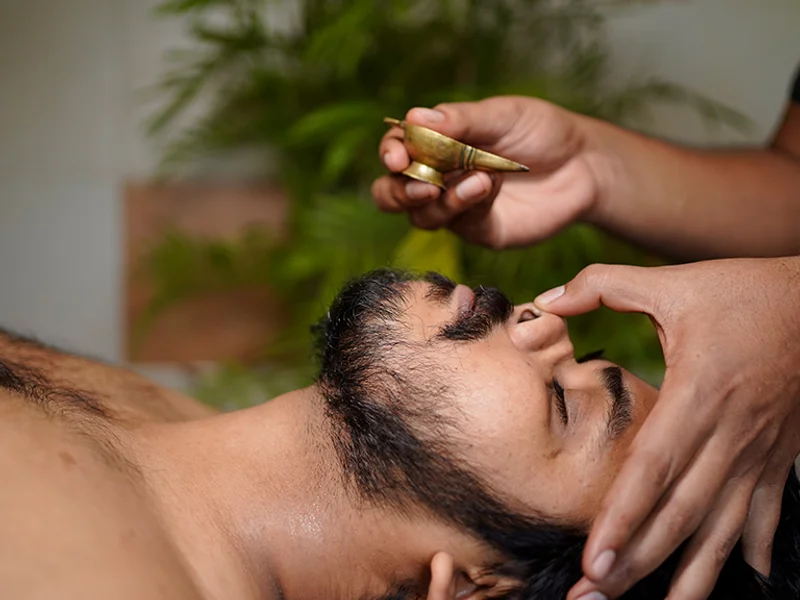
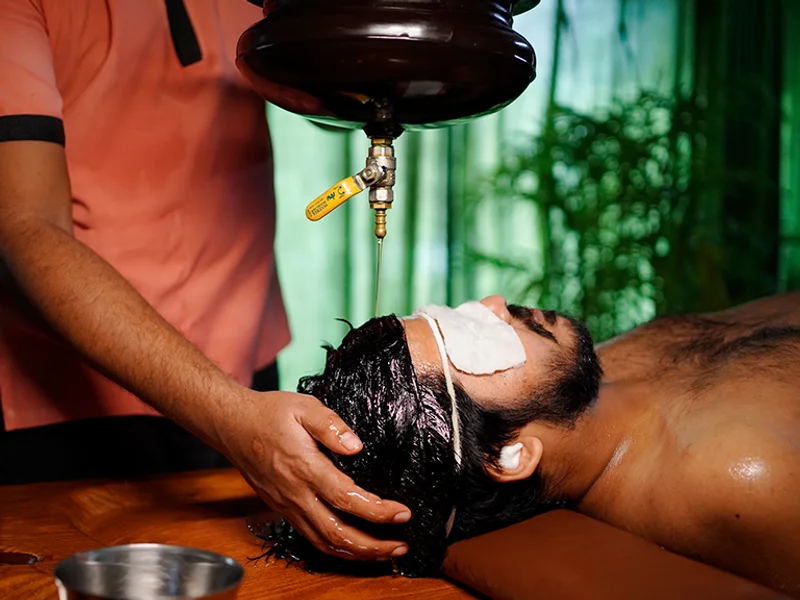
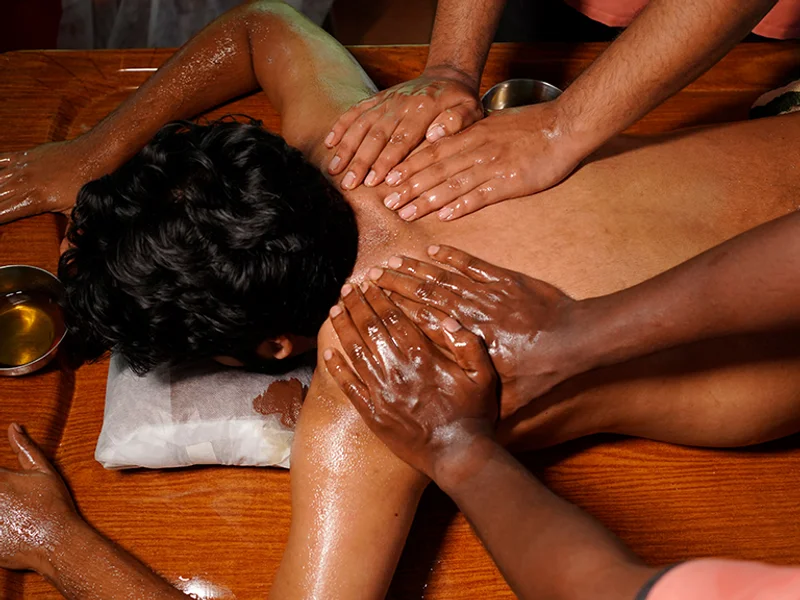
Ancient Wisdom. Modern Rehabilitation.
Ayurveda is presented as one of the complementary components integrated into the rehabilitation model — not a separate department, but a natural part of the ADMIRE ecosystem.
Selected therapies including Panchakarma, Abhyanga, Shirodhara, Shirovasthi, Pizhichil, Nasyam and Pinda Sweda may be incorporated under medical supervision to complement the primary rehabilitation programme.
Explore Ayurveda DepartmentAyurveda
Traditional therapies — Abhyanga, Shirodhara, Pizhichil, Nasyam, Pinda Sweda and more — may help reduce muscle stiffness, promote relaxation and support overall wellness alongside rehabilitation.
Learn more →Yoga & Meditation
Improve flexibility, balance, breathing, emotional wellbeing, mindfulness and stress management — adapted to each patient's rehabilitation stage and abilities.
Learn more →Acupuncture
May assist in managing pain, spasticity, numbness and muscle tightness where appropriate — integrated under medical supervision.
Learn more →Reflexology
Supports relaxation, circulation and patient comfort as a complementary component of the rehabilitation programme.
Learn more →Nutrition
Good nutrition plays a vital role in brain recovery. Individualised meal planning, swallowing-friendly diets, diabetes management and nutritional counselling for patients and caregivers.
Learn more →Psychological Support
Emotional, cognitive and behavioural support — anxiety, depression, memory rehabilitation, family education and psychosocial counselling.
Learn more →A Rehabilitation Environment Designed for Recovery
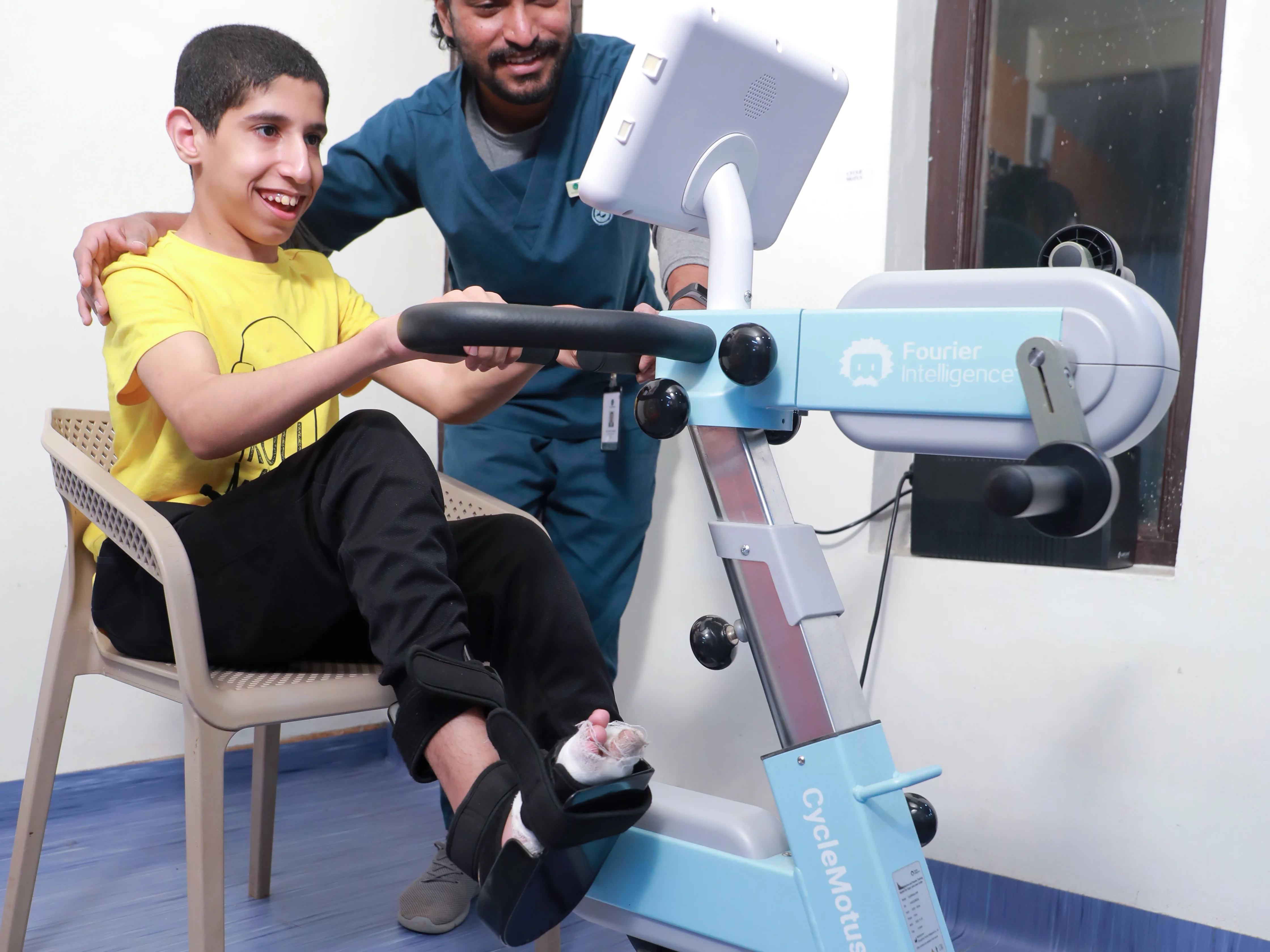
Healing is enhanced by the right environment. Rehabilitation is influenced not only by treatment itself, but also by the environment in which rehabilitation takes place. Patients benefit from environments that encourage privacy, individuality, participation and meaningful activity.
Our rehabilitation facilities are designed to simulate real-life situations, allowing patients to safely practise meaningful daily activities. These environments improve confidence, independence and successful reintegration into family and community life.
Family-Centred Rehabilitation
Recovery is most effective when families are actively involved. At Ayurgreen, families and caregivers are not bystanders — they are partners in the rehabilitation process.
Caregiver Training
Family members and caregivers are trained in safe transfer techniques, exercise assistance and day-to-day care.
Home Exercise Education
Practical home exercise programmes are developed and taught to ensure recovery continues beyond the hospital.
Feeding & Swallowing Guidance
Caregivers receive guidance on safe feeding techniques and swallowing management where relevant.
Discharge Planning
Thorough discharge planning ensures a smooth transition home — including home modification advice and equipment.
Long-Term Rehabilitation Advice
Ongoing guidance on maintaining functional gains, activity levels and healthy lifestyle after discharge.
Emotional Support
Psychological and psychosocial support is available for both patients and families throughout the rehabilitation journey.
Why ADMIRE at Ayurgreen?
ADMIRE is more than a rehabilitation programme. It is a philosophy of care — combining people, therapy, technology, environment and personalised supervision to help each person regain function and independence.
Multidisciplinary Expertise
A coordinated team of physicians, physiotherapists, occupational therapists, speech therapists, nurses, neuropsychologists and complementary therapists — all working to one plan.
Personalised Rehabilitation
Every programme is individually tailored — assessment, goals, intensity and progression are all adapted to the unique needs of each patient.
Advanced Rehabilitation Technology
Robotic gait and arm training, virtual reality, functional electrical stimulation, balance systems and aquatic therapy — available to appropriate patients.
Integrated Therapies
Ayurveda, yoga, acupuncture, reflexology and nutrition are carefully woven into the rehabilitation programme — not as alternatives, but as complements.
Functional & Real-Life Training
Therapy skills are transferred into meaningful daily activities — at home, at work, and in the community. The hospital environment is designed for real-life practice.
Patient-Centred Environment
Rehabilitation facilities designed to be accessible, welcoming and functional — supporting confidence, privacy and meaningful participation.
Long-Term Focus on Independence
The ultimate goal is not simply completing a programme — it is greater independence, sustained quality of life and successful community reintegration.
Frequently Asked Questions
Find answers to key questions about the ADMIRE programme and ortho-neuro rehabilitation at Ayurgreen.
Restore Function. Rebuild Independence.
Rediscover Life.
Every rehabilitation journey is different. Our team works with you to understand your needs, define meaningful goals and develop a treatment programme suited to your abilities and recovery stage.
info@ayurgreenhospitals.com